
Tanks and short cycling
Pressure Tank Service in Northeast Georgia
The pressure tank is the shock absorber of a well system. When it works, the pump starts a few times an hour. When it fails, the pump can start every few seconds, and that is how perfectly good pumps get worn out years ahead of time.
- Air charge checked and set
- Bladder and diaphragm tanks
- Sized to your pump flow rate
- Old galvanised tanks replaced
What do you see at the tank?
How the tank protects the pump
Why a Few Gallons of Trapped Air Matter So Much
Inside a modern well tank, a rubber bladder or diaphragm keeps the water apart from a cushion of compressed air. As the pump fills the tank, that air squeezes tighter; when you open a tap, it pushes stored water out without the pump needing to run. The pump only switches on once the stored water is used up.
Over months and years the air slowly escapes through the valve and the rubber itself. Less air means less stored water, which means more starts. Starting is the most punishing moment in a motor’s life, so a tank that has quietly lost its charge can do more harm to a pump than years of ordinary running. Many older homes still have plain galvanised tanks with no bladder at all, and those need their air topped up by design.
PRE-CHARGE
Set With the Water Drained
Air pressure in an empty tank should sit just below the pump’s cut-in setting. Checked with water in the tank, the reading is meaningless.
DRAWDOWN
Water Delivered Between Starts
A big tank stores only part of its size as usable water. That usable volume, not the label, is what we match to your pump.
RUN TIME
Long Enough to Cool Down
Pump makers want each cycle to run for a minute or more so the motor sheds the heat built up while starting.
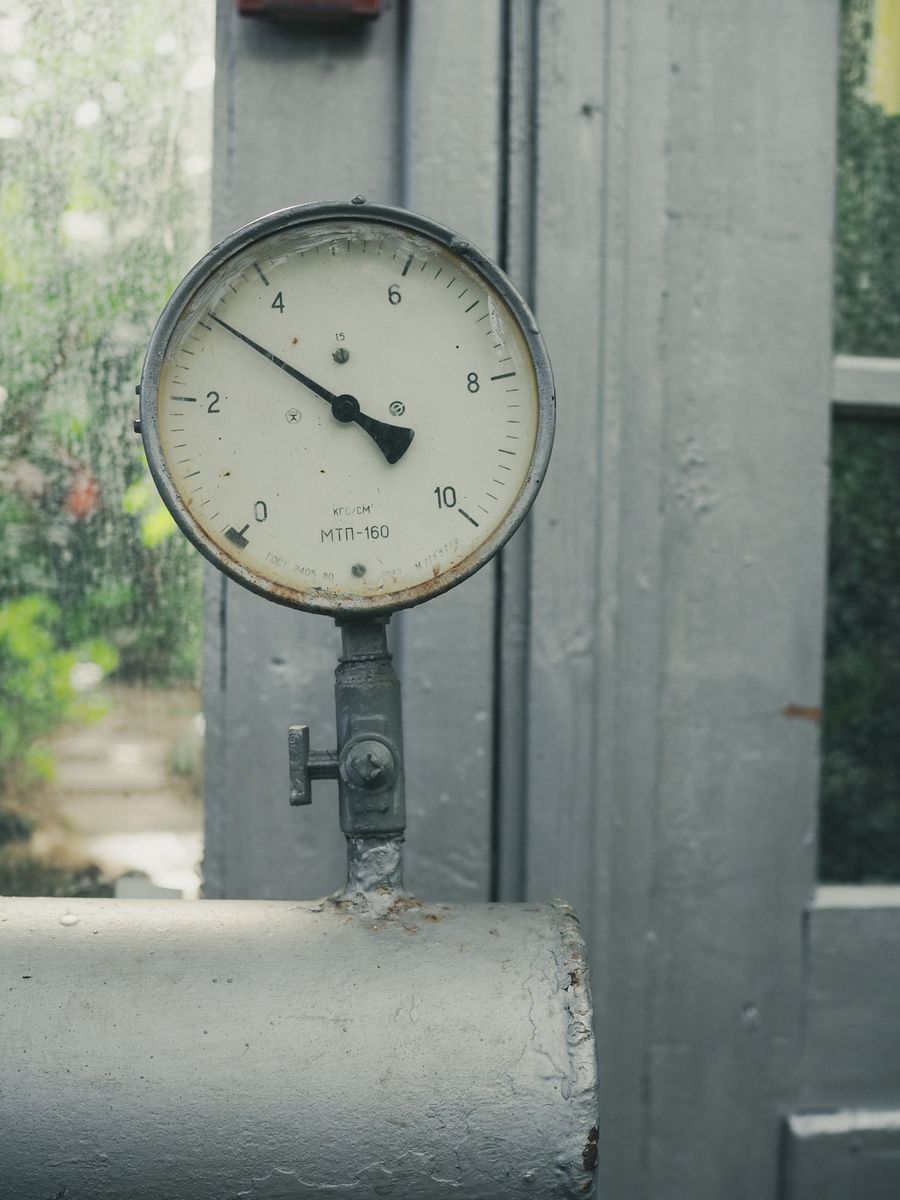
On a tank call
What Pressure Tank Service Includes
Five checks, in order, so the decision between recharging, repairing and replacing rests on readings rather than guesswork.
Try this first
A Two-Minute Tank Check You Can Do at Home
No tools needed beyond your eyes and a knuckle. If any of these look wrong, the tank is worth a professional look.
Watch the Gauge While a Tap Runs
Open a tap and count. Pressure should fall slowly for a good while before the pump kicks on. A drop to cut-in within a few seconds points to a flat or failed tank.
Knock on the Side of the Tank
A healthy tank with the pump just off sounds hollow near the top and dull lower down. A dull thud all the way up suggests it is full of water.
Press the Air Valve for a Second
The valve on top looks like the one on a car tyre. Air is fine. Any water at all means the bladder has failed.
Look Underneath
Rust rings, flaking paint at the base or a damp patch on the floor beneath the tank are early signs the shell is giving up.
Expected spend
Pressure Tank Repair and Replacement Cost
Tank work is some of the most affordable on a well system, and some of the best value, because of the pump life it protects.
Related services
Parts That Work Alongside the Tank
The switch reads the tank and tells the pump when to run, so the two are always set together.
When short cycling has already taken a toll on the pump or its start components.
Measured flow rates that tell us exactly what size tank your pump needs.
Tank questions
Pressure Tank Questions, Answered Plainly
How Long Does a Well Pressure Tank Last?
A good bladder tank often gives somewhere in the region of ten to fifteen years, sometimes more. Hard water, sediment, a tank that was undersized from the start, or one left to run waterlogged for months will all cut that short. Checking the air charge once a year is the single best thing you can do to stretch it.
Can I Recharge the Tank Myself?
Many owners can, carefully. Switch off the pump at the breaker, drain the system through a low tap until pressure reads zero, then set the air to just under your cut-in pressure with a tyre pump and gauge. If the tank loses that charge again within weeks, or water comes out of the valve, the bladder has failed and recharging will not fix it.
What Size Pressure Tank Do I Need?
It depends on how many gallons a minute the pump delivers and your switch settings, not on the size of the house alone. The aim is a minute or more of pump run time per cycle. We measure the pump output and work back from there, which sometimes means a larger tank and sometimes means two tanks side by side.
Does the Tank Have to Be Indoors?
It needs to be protected from freezing and, ideally, out of direct sun. A well house, a crawlspace or a utility room all work. A tank exposed to the weather will see its rubber parts age faster and risks splitting the fittings on the first hard frost.
Pump clicking right now?
Let Us Know What the Gauge Says
If you can, note the pressure where the pump starts and where it stops. Those two numbers tell us a lot before we arrive.
Pump Clicking On and Off?
Every rapid restart costs your motor. A tank visit is a small bill that protects a much larger one.