
Measure before you guess
Well Water Flow and Pressure Testing
Numbers settle arguments. How many gallons a minute your well really gives, how far the level falls under load and what pressure reaches each tap: with those in hand, every decision about pumps, tanks and new fixtures stops being a guess.
- Measured gallons per minute
- Static and pumping levels
- Pressure at tank and fixtures
- Results you keep in writing
What are you trying to find out?
The numbers we measure
Four Figures That Describe Any Well
A rock well in Northeast Georgia is not a tank underground. Water seeps in through cracks at whatever rate the rock allows, and that rate can be generous on one lot and miserly on the next. You cannot see it, and the original drilling report, if anyone still has it, describes the well on the day it was drilled rather than today.
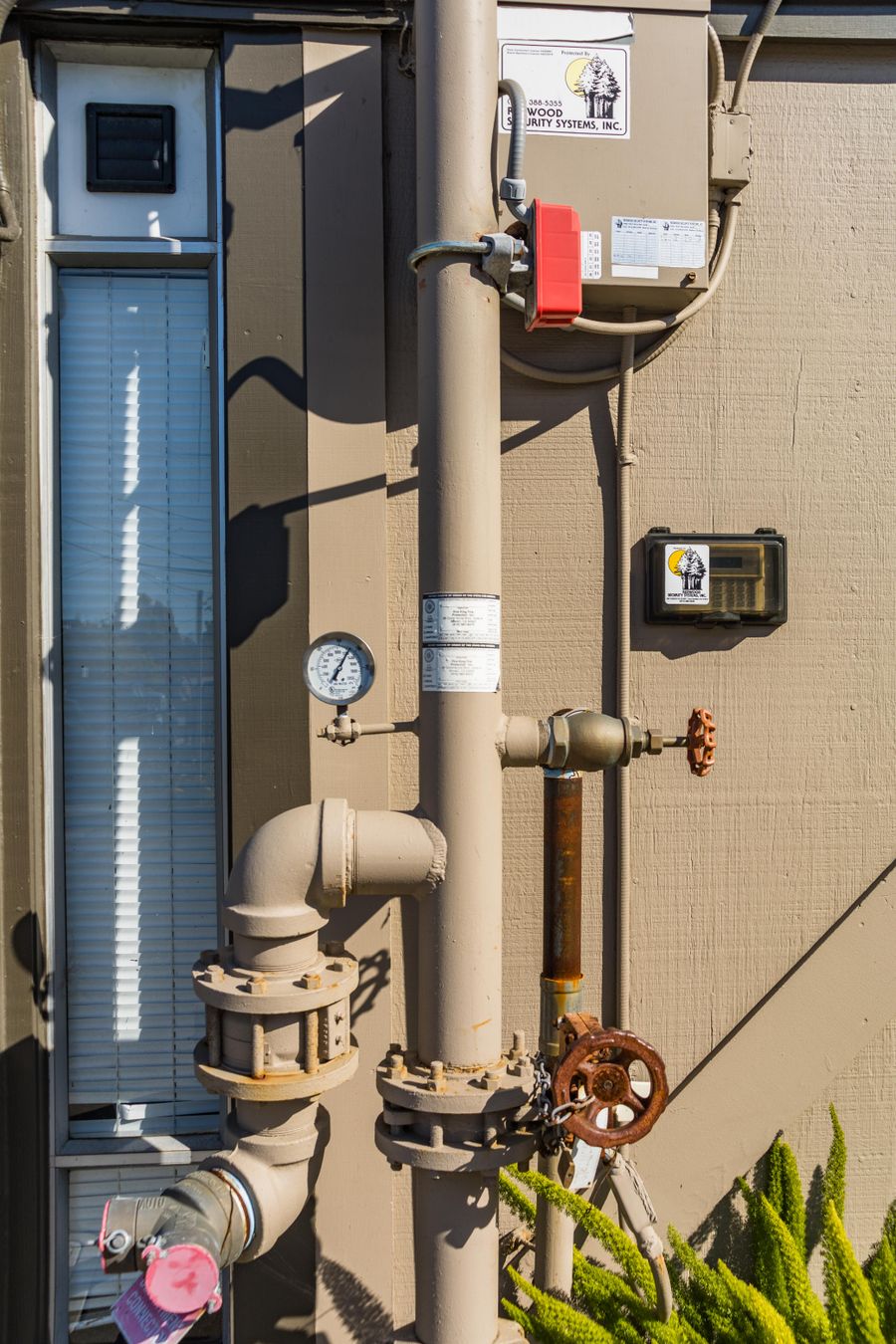
So we measure. With the pump idle we find where the water rests. Under a steady, metered draw we watch where it settles and how many gallons a minute the well keeps up with. Then we stop the pump and time the recovery. Separately, we read pressure at the tank and at the fixtures, because a well can be perfectly healthy while the house plumbing is the real bottleneck.
STATIC LEVEL
Where the Water Rests
The depth to water after the pump has been idle. Compared over seasons, it shows whether the water table is holding steady.
PUMPING LEVEL
Where It Settles Under Load
The level the water holds at while being drawn steadily. The pump needs to sit comfortably below this point.
RECOVERY
How Fast It Refills
Timed from the moment the pump stops. Slow recovery is the clearest warning that heavy outdoor use will outstrip the well.
How a test runs
What Happens During a Flow and Pressure Test
You can stay home and carry on as normal, though we will ask you to hold off on laundry and long showers while the meter is running.
Why people book one
When a Flow Test Pays for Itself
A test costs a fraction of the mistakes it prevents. These are the moments it matters most.
Before Installing an Irrigation System
Zones should be designed around what the well can sustain. Too many heads on one zone and the pump runs the well dry by mid-cycle.
Before Adding Living Space
An extension, a guest suite or a second dwelling on the same well all raise peak demand. Better to know now than after the drywall is up.
When Pressure Is Poor but Nothing Is Broken
Testing separates a tired well from a tired pump from a clogged whole-house filter, three problems with very different fixes.
Before Buying a New Pump or Tank
Equipment sized from measured figures lasts longer and performs better than equipment chosen from a catalogue table.
What testing costs
Flow and Pressure Testing Cost
The length of the test is the main variable. We suggest the shortest test that will genuinely answer your question.
Related services
Putting the Results to Work
Choosing and setting a new pump from the measured yield and pumping level.
Extra storage that lets a modest well serve a busy household comfortably.
Fixing whatever the readings reveal, from a worn pump to a faulty switch.
Testing questions
Flow and Pressure Testing FAQs
How Many Gallons per Minute Does a Home Need?
There is no single figure, because storage changes the picture. A household with a well-sized pressure tank or a storage cistern can live comfortably on a fairly modest yield, since short bursts of heavy use are drawn from storage. What matters is that the well can refill that storage between busy periods. Testing tells us whether yours can.
Can a Low-Yield Well Still Supply a House?
Often, yes. The usual approach is to let the well trickle slowly into a storage tank, then use a separate booster pump to supply the house at normal pressure. The well never has to keep up with peak demand directly. A test shows whether that arrangement suits your well.
Will Testing Stir Up My Water?
A sustained draw can lift a little sediment for a short time, especially on a well that is rarely pushed hard. It normally clears once the system settles. If cloudiness persists after testing, that in itself is useful information about the condition of the well.
Why Is My Pressure Only Weak in the Shower?
When every other tap is fine, look at the fixture first. Shower heads carry flow restrictors that scale up, and mixing valves have screens that clog. A pressure reading at the nearest fixture and at the tank tells us quickly whether the cause is the shower, the plumbing or the well itself.
Planning a project?
Tell Us What You Want to Find Out
Irrigation, an extension, a new pump or just weak pressure. Knowing the goal lets us choose the right length of test.
Want Real Numbers for Your Well?
A few hours of measurement can save years of living with the wrong pump or tank.